
Nano Coatings vs Traditional Waxing and Polishing: A Modern Upgrade in Vehicle Surface Protection
Vehicle surface protection has traditionally relied on waxing and polishing to enhance appearance and maintain shine. While these methods still have relevance for short-term cosmetic improvement, modern vehicles operate in far more demanding environments. Constant exposure to dust, UV radiation, pollution, moisture, and frequent handling has changed the expectations around durability and maintenance.
As a result, the automotive industry is moving toward nano coating technology, a solution designed not just to enhance appearance but to protect vehicle surfaces at a structural level. This shift reflects a broader move from cosmetic care to long-term surface performance.
Traditional Waxing and Polishing: What They Really Offer
Waxing and polishing primarily serve aesthetic purposes. Polishing smoothens the surface and enhances gloss, while waxing adds a temporary protective layer that repels water and boosts shine. However, these benefits are short-lived. Wax layers degrade quickly due to heat, washing, and environmental exposure. To maintain appearance, frequent reapplication is required, increasing labor and maintenance effort. More importantly, waxing does not provide meaningful resistance against staining, oxidation, or surface wear over time.
Beyond Maintenance: The Need for Advanced Surface Protection in Modern Vehicles
Modern vehicles face challenges that traditional surface care methods were not designed to handle. Airborne contaminants and UV exposure constantly attack exterior paint. Glass surfaces develop watermarks and haze. Interior materials are prone to fingerprints, body oils, stains, and everyday wear. Despite regular polishing or cleaning, surfaces continue to age because conventional methods do not prevent contaminants from interacting directly with the material. This results in recurring maintenance cycles without long-term protection.
Nano Coatings as a Performance-Driven Upgrade in Vehicle Protection
Nano coatings work differently from waxes and polishes. Instead of sitting on the surface as a temporary layer, nano coatings bond at a microscopic level, forming an invisible protective barrier. The invisible coating does not alter the look, feel, or finish of the vehicle surface. Instead, it enhances resistance to water, dirt, oils, and environmental contaminants. Because the protection is integrated into the surface, it lasts significantly longer than traditional waxing and reduces the need for frequent reapplication. This technology underpins the automotive nano coating solutions offered by Vetro Power AMC, designed specifically for real-world vehicle use.
Vetro Power AMC Nano Coating Technology: A Performance-Driven Upgrade Over Waxing and Polishing
Traditional waxing and polishing methods are primarily cosmetic in nature and require frequent reapplication to maintain an acceptable surface appearance. In contrast, Vetro Power AMC automotive nano coating solutions are engineered to provide functional surface protection across both exterior and interior vehicle components. These coatings form an invisible protective layer that helps reduce the interaction between vehicle surfaces and environmental contaminants such as dust, moisture, oils, and pollutants.
Unlike wax, which degrades quickly under washing and exposure, nano coatings are designed to support longer service intervals and consistent surface performance. This makes them particularly suitable for professional automotive environments where durability, maintenance efficiency, and asset presentation are critical. By shifting from short-term appearance enhancement to long-term surface protection, Vetro Power AMC enables automotive stakeholders to reduce repetitive detailing effort while maintaining vehicle condition over extended operational use.
Exterior Protection: Nano Coatings vs Wax
On vehicle exteriors, waxing provides short-term gloss but limited protection. Water repellence fades quickly, and repeated washing strips away the wax layer.
Nano coatings offer a more durable alternative. Treated exterior surfaces resist water spotting, pollution deposits, and surface dulling. Paintwork retains clarity for longer periods, and glass and ceramic surfaces remain easier to clean. Reduced surface contamination also means fewer wash cycles and less aggressive cleaning, helping preserve the original finish.

Interior Protection: Moving Beyond Cleaning and Polishing
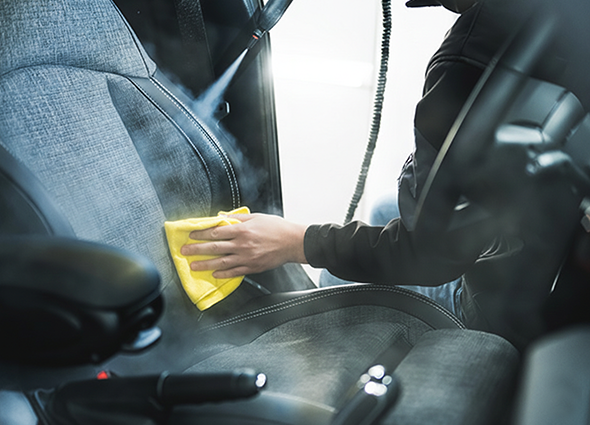
Interior vehicle surfaces face constant contact and contamination. Metals collect fingerprints, glass attracts smudges, and fabrics absorb spills and stains. Traditional interior cleaning removes visible dirt but does not prevent re-soiling.
Nano coatings extend protection to interior components by reducing surface adhesion of oils, fingerprints, and stains. Metal trims remain cleaner for longer, glass surfaces resist smudging, and treated fabrics are easier to maintain. This results in a more consistent interior appearance with less frequent cleaning effort.

Durability and Maintenance: A Practical Comparison
Waxing and polishing demand ongoing attention. Their effectiveness depends on frequent reapplication, making them labor-intensive and inconsistent over time.
Nano coatings shift the focus to preventive maintenance. Once applied, surfaces remain protected for extended periods, reducing routine detailing effort. This approach supports better maintenance planning, especially for fleet operators and professional automotive environments where consistency and uptime matter.
Real-World Benefits for Automotive Stakeholders
For individual vehicle owners, nano coatings help preserve the appearance and reduce the need for cleaning effort. For dealerships and fleet operators, they support uniform vehicle presentation and lower detailing frequency. Vehicles protected with nano coatings also tend to retain value better due to sustained surface condition.
The benefits are not limited to appearance alone; they extend to operational efficiency and long-term asset care.
Why the Automotive Industry Is Moving Toward Nano Coatings
As vehicle materials become more advanced and ownership expectations increase, surface protection strategies must evolve. The industry’s move toward nano coatings reflects a preference for durable, low-maintenance solutions that align with modern vehicle design and usage patterns.
Rather than repeatedly restoring surfaces, the focus has shifted to protecting them before damage occurs.
Why Vetro Power AMC for Automotive Nano Coatings
Vetro Power AMC offers automotive nano coating solutions specifically designed for both exterior and interior applications. With a focus on compatibility, durability, and professional application, these solutions are designed to perform across real-world driving conditions and usage environments.
The approach prioritizes long-term performance, surface integrity, and maintenance efficiency, key considerations for today’s automotive stakeholders.
Conclusion: From Temporary Shine to Long-Term Protection
Traditional waxing and polishing serve a purpose, but they are no longer sufficient as primary protection methods for modern vehicles. Nano coatings represent a strategic upgrade offering durable, invisible protection that supports both appearance and performance.
By moving from short-term cosmetic care to long-term surface engineering, vehicle owners and operators can achieve better protection, reduced maintenance effort, and consistent results. Nano coating technology marks a clear step forward in how vehicles are protected and maintained.
Related Products
Vetro Power Textile Protect
Vetro Power Textile Protect is a PFOA-free and PFAS-free fabric protector: a water-based SiO2 nano coating that makes upholstery, carpets, rugs and textiles superhydrophobic and oleophobic.
Learn More
Vetro Power Glass and Ceramic Protect
Ready-to-use silicon dioxide sol-gel coating for glass and ceramic surfaces, also available as a concentrate for volume users. Hydrophobic and oleophobic, food-safe, UV-stable, no change in look or feel, PFOA-free and PFAS-free.
Learn More
Vetro Power Metal Protect - Hydrophobic and Anti-Fingerprint Solutions
SiO2 and solvent-based hydrophobic nanocoating for metal and stainless steel surfaces.
Learn More